The Illusion of Touch: Why Velvet UX Works
The best digital interfaces don’t just look good, they feel right. “Velvet UX” is the art of designing interactions that simulate tactility, creating the illusion of texture, weight, and softness in a purely visual medium. Done well, it makes clicking a button feel like pressing a soft switch intuitive, rewarding, and impossible to ignore.
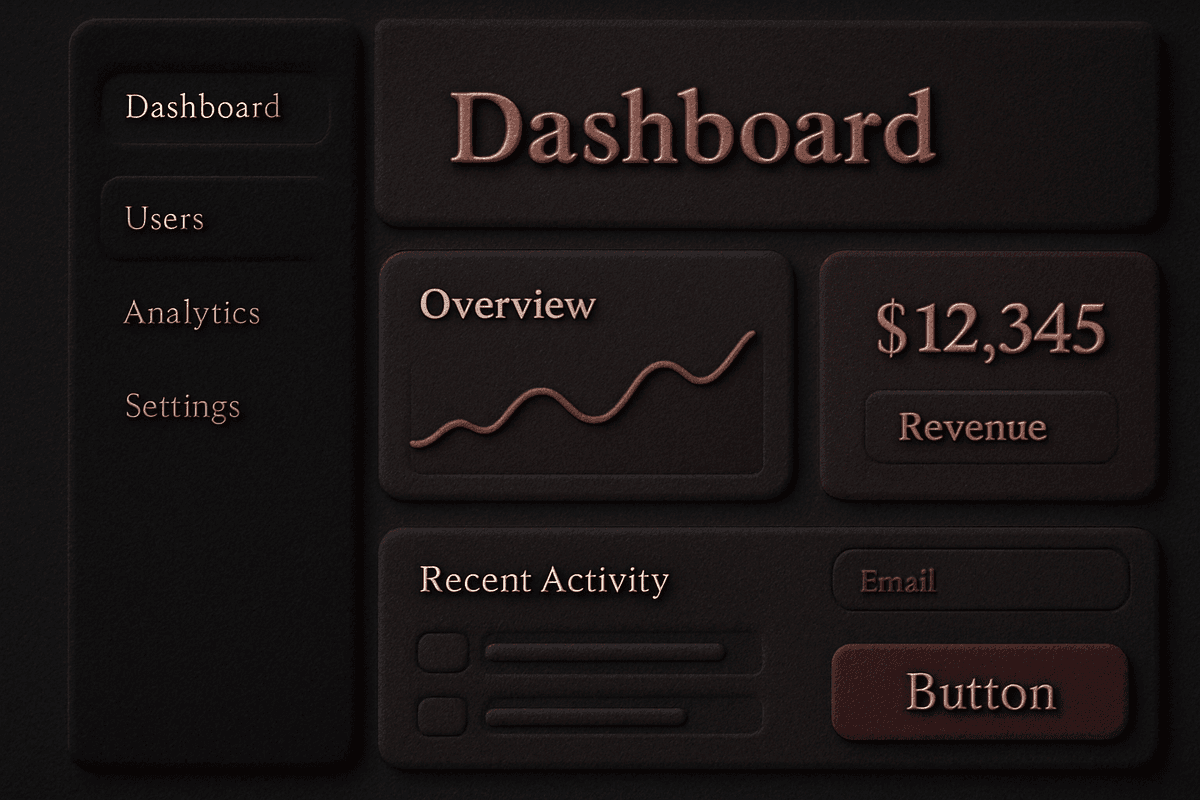
This phenomenon is rooted in affordance psychology: users instinctively recognize objects based on how they look like they should behave. A slightly raised button says press me. A floating card says I can be moved. These visual metaphors draw from our real-world experiences with material objects.
Even subtle touches like realistic shadows, warm color gradients, or micro-animations can suggest physical properties like depth, weight, and softness. These cues light up the brain’s tactile processing centers and reduce cognitive effort, allowing users to focus on content, not interface friction.
Velvet UX leans into this multisensory illusion to build trust and deepen engagement. It makes interfaces feel alive, inviting, and crafted not mechanical or generic. It’s not just aesthetic polish; it’s behaviorally strategic design.
Creating Frictionless Flow: How Smooth UX Boosts Engagement
Velvet UX is more than just visual delight, it’s about how an interface moves. Fluid transitions, consistent interaction logic, and tactile animations all contribute to a sensation of smoothness that keeps users moving forward without pause.
Here’s how to build it:
-
Predictable interactions
Users should learn how components behave and expect them to act similarly elsewhere. This builds comfort and reduces hesitation. -
Meaningful transitions
Don’t just throw in animations, use motion to guide attention, create spatial awareness, and give feedback. A card that expands smoothly or a field that gently vibrates on error feels both elegant and informative. -
Intelligent loading states
Replace spinners with skeleton loaders, subtle progress indicators, or staggered content reveals that give users visual confirmation of progress and retain their attention. -
Emotionally intelligent error handling
Rather than abrupt error messages, guide users through recovery with gentle animations, contextual help, or forgiving interactions.
This “interaction rhythm” keeps users in a state of flow, the sweet spot where time disappears and actions feel effortless.
Velvet UX = SEO Performance: Why Google Cares How It Feels
Velvet UX isn’t just good for users, it’s a secret weapon for SEO and digital performance. Search engines now factor user experience into rankings. Interfaces that feel smooth, intuitive, and fast get rewarded.
Here’s where it pays off:
-
Core Web Vitals
Smooth, stable interfaces improve scores for LCP, FID, and CLS direct ranking factors in Google’s algorithm. -
User Engagement Metrics
Polished, frictionless UX keeps users on-page longer, reduces bounce rate, and boosts return visits all powerful SEO signals. -
Mobile-first indexing
Velvet UX principles clarity, touch-target responsiveness, visual feedback shine on mobile, helping you rank better in mobile-first search results. -
Linkability & shareability
Users are more likely to share beautiful, premium-feeling interfaces. These shares drive backlinks, which drive authority, which drives rankings. -
Accessibility synergy
Many velvet UX practices semantic HTML, structured layout, color contrast also boost accessibility, which search engines increasingly value.
In short: what’s good for your users is good for your search presence. And Velvet UX is built on that alignment.
Final Orbit: Why Velvet UX Wins the Digital Race
Users don’t just see your interface, they feel it. And the feelings they walk away with determine whether they come back, share your product, or convert.
Velvet UX brings texture, feedback, and polish to your interface without bloat or fluff. It’s how brands stand out in a world full of flat, soulless UI kits. It’s how products become experiences. It’s how visitors become loyal users.
So if your app feels functional but not felt, it’s time to elevate. Invest in:
-
Micro-interactions that feel natural
-
Visual depth that implies touch
-
Consistency that reduces cognitive load
-
Performance that stays buttery smooth
The best digital experiences are the ones we barely notice because they just feel right. That’s Velvet UX. And once your users feel it, they’ll never settle for less.